
Moving to Cincinnati
A Practical Guide for Relocating, Buying a Home, and Choosing the Right Area
Relocating to a new city involves more than finding a house.
It means understanding neighborhoods, commute times, taxes, schools, lifestyle differences, and housing costs so your decision fits both your budget and your daily life.
This guide is designed to help people moving to the Greater Cincinnati area understand what to expect, how the housing market works, and how to narrow down the right communities before making a move.
Why People Move to Cincinnati
Cost of living that is often lower than many major metros
Access to both suburban and urban lifestyles
Diverse housing options from historic homes to new construction
Major employers in healthcare, finance, manufacturing, and technology
Central Midwest location with highway and airport access
Strong mix of parks, riverfront, sports, and entertainment
Cincinnati offers options for first‑time buyers, growing families, downsizers, and remote workers alike.
Understanding the Greater Cincinnati Area
The “Cincinnati area” includes more than just the city itself.
Relocating buyers typically consider communities in:
Hamilton County
Butler County
Warren County
Clermont County
Northern Kentucky
Housing Styles & Prices
Historic Homes
New Construction
Suburban & Urban Options
Commute Insights
Bridge & Highway Traffic
Typical Drive Times
Public Transit Info
Schools & Taxes
School District Info
Property Tax Rates
Cost Differences
Urban, Suburban, or Village

Downtown Living

family - friendly Suburban
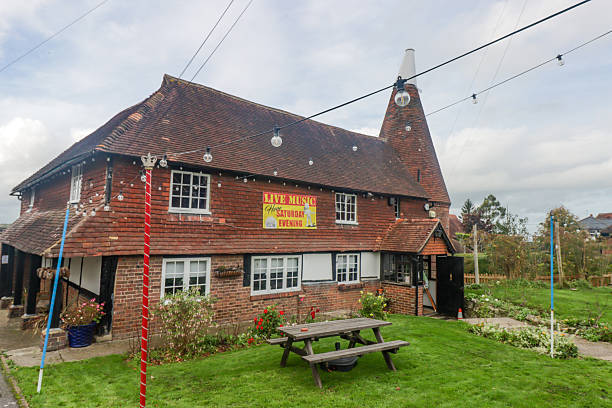
Small Town
Common Relocation Mistakes to Avoid
Touring homes before narrowing neighborhoods
Underestimating commute differences
Ignoring property tax variations
Over‑relying on online rankings without local context
Waiting too long to discuss financing options
Assuming inventory patterns match previous cities
Frequently Asked Questions
Is Cincinnati affordable compared to other cities?
Many relocating buyers find housing costs lower than coastal metros, though prices vary by area and home type.
Which suburbs are most popular?
Popularity depends on lifestyle preference, commute, and school district priorities rather than a single “best” area.
Do I need to visit in person before buying?
While many buyers prefer to visit, some use virtual tours and staged showings before making decisions.
How long does the buying process take?
Timelines vary, but preparation and financing clarity typically speed the process.
Is new construction common?
Yes, especially in northern suburbs and planned communities.
LET'S TALK
GET IN TOUCH
let's connect
Jeff Williamson is Social
LOOKING FORWARD TO MEET
CORPORATE OFFICE



Disclaimer: All information contained on this website is deemed reliable but not guaranteed. All properties are subject to prior sale, change or withdrawal notice. realtorincincinnati.com believes all information to be correct but assumes no legal responsibility for accuracy.